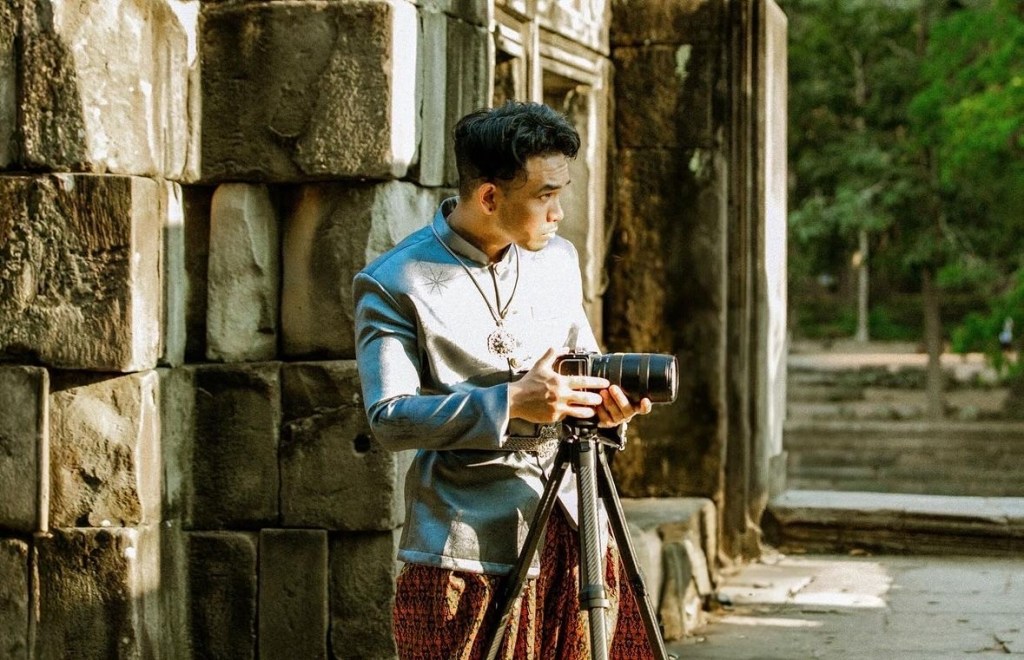
- How do you pitch How to Grow a Ghost in a couple of sentences?
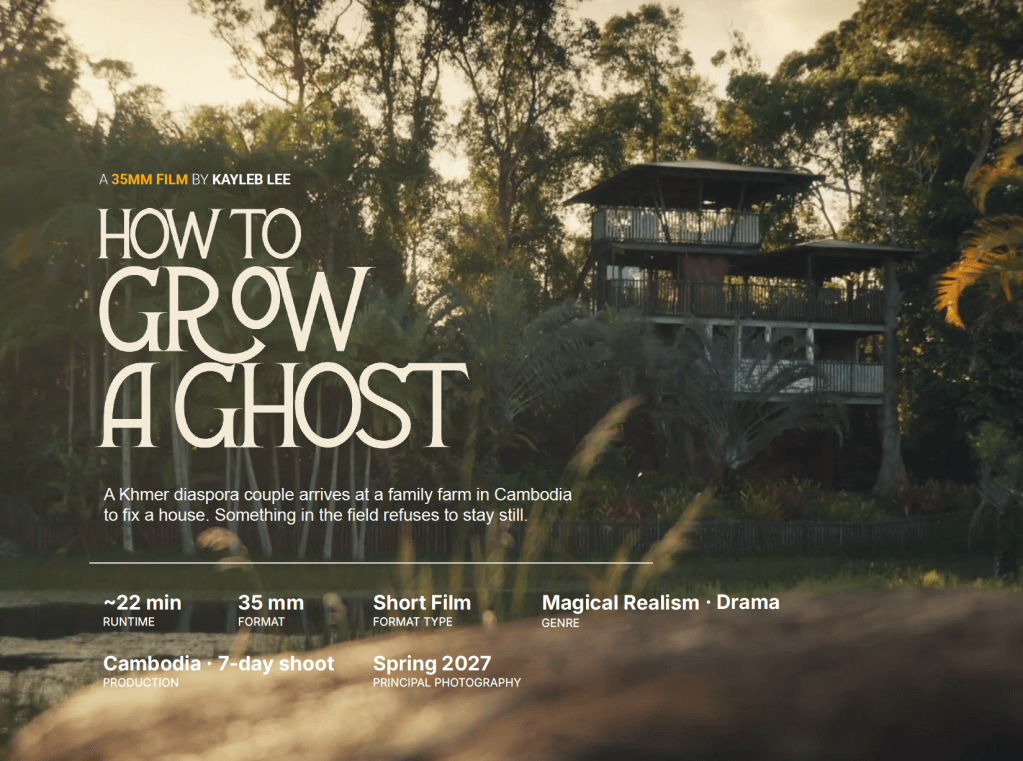
How to Grow a Ghost is My Neighbor Totoro meets Minari: a quiet family story in which Daniel discovers that their inherited grief has taken physical form, and the only way forward is to raise it. In Southeast Asian traditions, the unresolved dead live in the land, in spirits, and in animals. This film asks what happens when your trauma moves in, and you have to care for it.
- What was the initial seed, idea or real-world inspiration that made you write this specific story?
The film started as a single image, one I’m keeping close for now, that holds the whole title. Everything else was built to earn it. Around that image sits a problem I wanted to solve. Western storytelling tends to approach Cambodia through tragedy, as a place defined by what was lost and a people to be handled gently. The usual correction is just as flat: the mystical local who heals the visitor. I wanted a film that speaks to the diaspora without turning Cambodia into either a wound or a cure. The film explores this by allowing Khmer people to operate as ordinary and contemporary, while care is communal.
- When you picture this film on screen, what mood, pace, and visual style are you aiming for? Are there any movies or filmmakers that served as a visual reference when drafting How to Grow a Ghost?
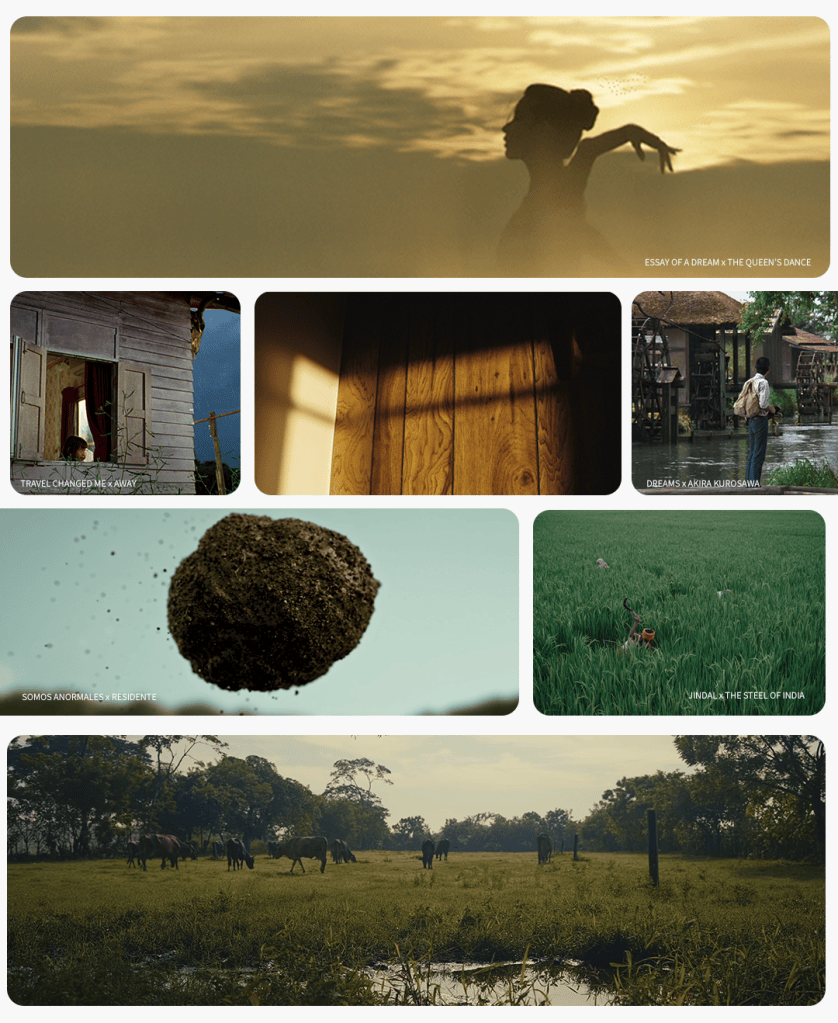
Totoro and Minari set the tone: domestic warmth, a person’s ease with the supernatural, and tenderness that never tips into sentiment. The look is more severe. From Jomo Fray’s work on All Dirt Roads Taste of Salt (2023), I’m drawing the tactile intimacy: earth, water, skin, and natural light. From Wang Tianxing’s cinematography in Kaili Blues (2015), I’m drawing the drifting, landscape-as-memory camera. The pace is unhurried but never static. Shots hold long enough for the ghost’s presence to register, and each one moves the relationship forward. One shot we’ve designed is the staging of characters, space, and light within the frames of the four courners we have and the story, ultimately what takes us space within the frame.
- Do you plan to direct/produce this project yourself, and where are you currently at on the journey from script to actual production?
I’m directing and co-producing with April Lee, who leads our networking and outreach. We’re in pre-production, structured in three phases. Phase I, building our initial community, has started and ongoing: over 300 supporters via Seed&Spark and 3 partner organizations. We’re now in Phase II: grant applications and fundraising, with deadlines/awards this fall and upcoming winter. Phase III is a crowdfunding campaign ahead of principal photography in early 2027. We’re deliberately not rushing. With our budget unfunded, we’d rather wait than shoot a film that every department has had to improvise.
- What’s the estimated budget to bring the short film to life, and how is the financing coming together?
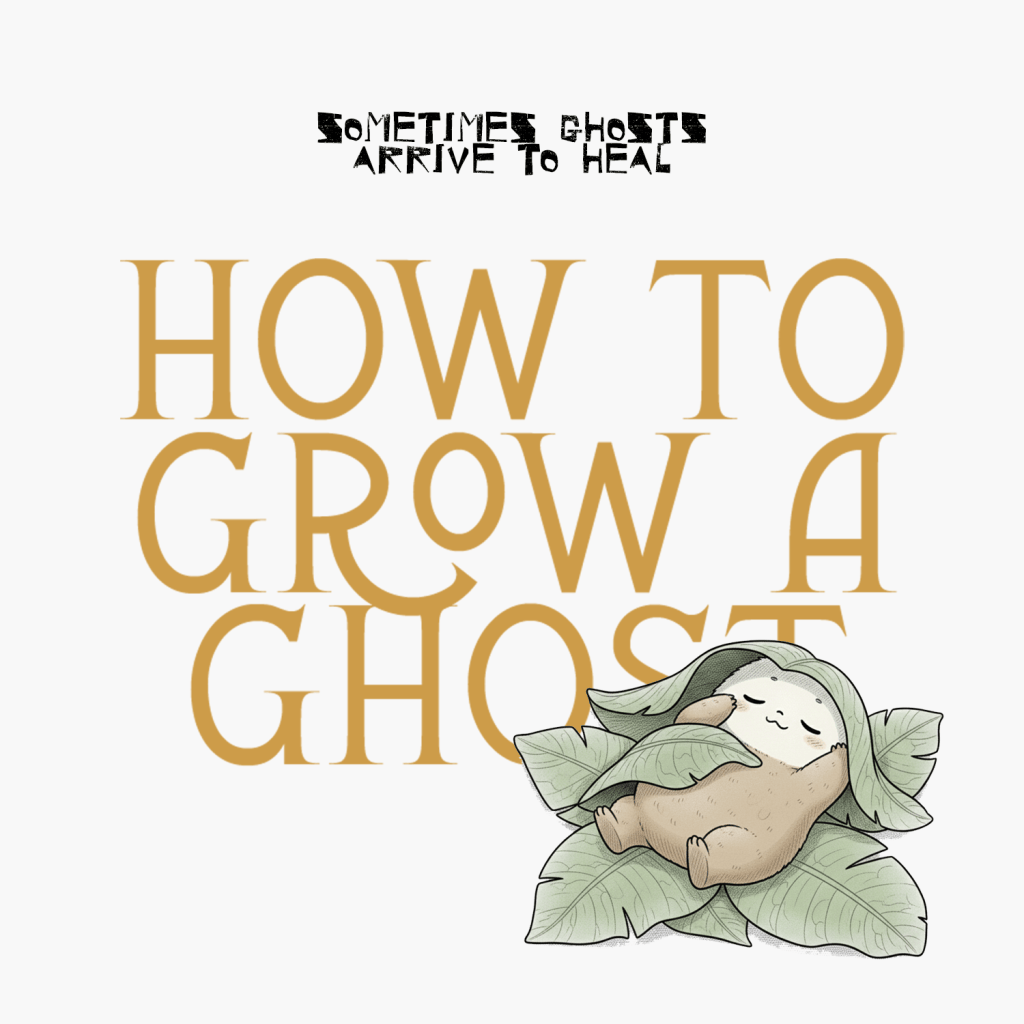
The budget is $56,622, and we’ve raised roughly 20% so far, about £11,500, from Seed&Spark and The Script Fund. The biggest lesson of an international production has been logistics: meeting local crew, mapping equipment availability, and planning transport across Cambodia. Those are now resolved. The open decision is format. My DP and I are weighing 16mm against 35mm against what our access and budget allow, including stock, processing, and shipping considerations. In parallel, I’m working with my Production Designer on the practical build of the Ghost, a physical creature on set rather than a digital effect, which shapes the film’s whole texture.
- What kind of creative partners or collaborators are you hoping to connect with right now to help make this short a reality (producers, co-financiers, crew)?
I’m looking for two things: co-financiers who are drawn to distinctive, culturally specific work, and an experienced producer, ideally with international co-production, Southeast Asia, or festival-circuit experience, to complement the strengths April and I already bring. The short is built to stand on its own, and it’s also the proof of concept for the feature, which I’m currently developing version 14. That means it has to show the world, the tone, and the Ghost at feature scale.
- Aside from How to Grow a Ghost, what else are you working on, and what themes or genres do you find yourself returning to?
I’m developing a web series of horror shorts, launching mid-fall 2026. It’s both a way to build community and a way to explore the same concerns through genre. Across my work, I return to lived experience, emotional restraint, and perspective-shifting stories about memory, identity, and the gap between what people feel and what they can say. I use non-linear structure to let audiences assemble meaning themselves rather than being handed it. Papaya is an example. Visually, I’m drawn to lived-in spaces: clutter, light, and stillness that tell you who lives there. Collaboration, for me, means setting everyone up to succeed without ego and without unnecessary suffering. I measure success by resonance: if the work carries the emotional truth I intended, it’s done its job.
- Where can people find, follow and support your work online?
You can follow the process on Instagram at @kaylebsjournal, where I share the unvarnished day-to-day of making this film, from build updates on the Ghost to what’s going wrong.
To support the film, visit howtogrowaghost.com.
Kayleb Lee – How to Grow a Ghost
(Grand Prize Winner, 1st place, 2026)
